
Understanding Scrap Car Prices and Factors Affecting Vehicle Value
Deciding what to do with an ageing, damaged or unwanted vehicle often involves several practical considerations. Repair costs, reliability, roadworthiness and the expense of continued maintenance can all influence whether keeping a vehicle remains worthwhile. When disposal becomes the preferred option, understanding how its value is assessed can help owners make informed decisions.
For motorists in Manchester, scrap car prices can vary considerably depending on the vehicle's characteristics, current material demand and collection circumstances. Two cars of a similar age may receive different valuations because of differences in weight, condition, component suitability and accessibility.
The valuation process is not necessarily based on how much the owner originally paid or how well the vehicle performed during its working life. Instead, attention generally turns towards the materials and components that may still hold value after the vehicle is taken out of use.
Whether you own a family car, commercial van or another type of vehicle, understanding these factors can make the disposal process easier to navigate. This guide explains how valuations are calculated, what can influence the amount offered and how to prepare for a straightforward collection.
Understanding How Vehicle Scrap Valuations Are Calculated
The starting point for many valuations is the vehicle itself. Its make, model, age, weight and general condition provide useful information about the materials and components that may be recovered during processing.
Although different providers may use different assessment methods, vehicle weight often plays an important role. Cars and vans contain substantial quantities of steel alongside aluminium, copper and other materials. These resources can retain value even when the complete vehicle is no longer suitable for everyday transport.
The scrap value of a car therefore depends on more than its age or appearance. A vehicle with serious engine damage may still contain recoverable metals, while another car that looks relatively tidy may have fewer components suitable for further use.
Several characteristics can influence the assessment:
- Vehicle weight: Heavier vehicles may contain larger quantities of recoverable metal, although weight alone does not determine the final valuation.
- Make and model: Different manufacturers and vehicle designs use varying quantities of steel, aluminium and other materials.
- Vehicle completeness: Missing wheels, batteries, engines or major mechanical components can affect the assessment.
- Mechanical condition: A damaged engine or gearbox may influence whether individual components have any potential for reuse.
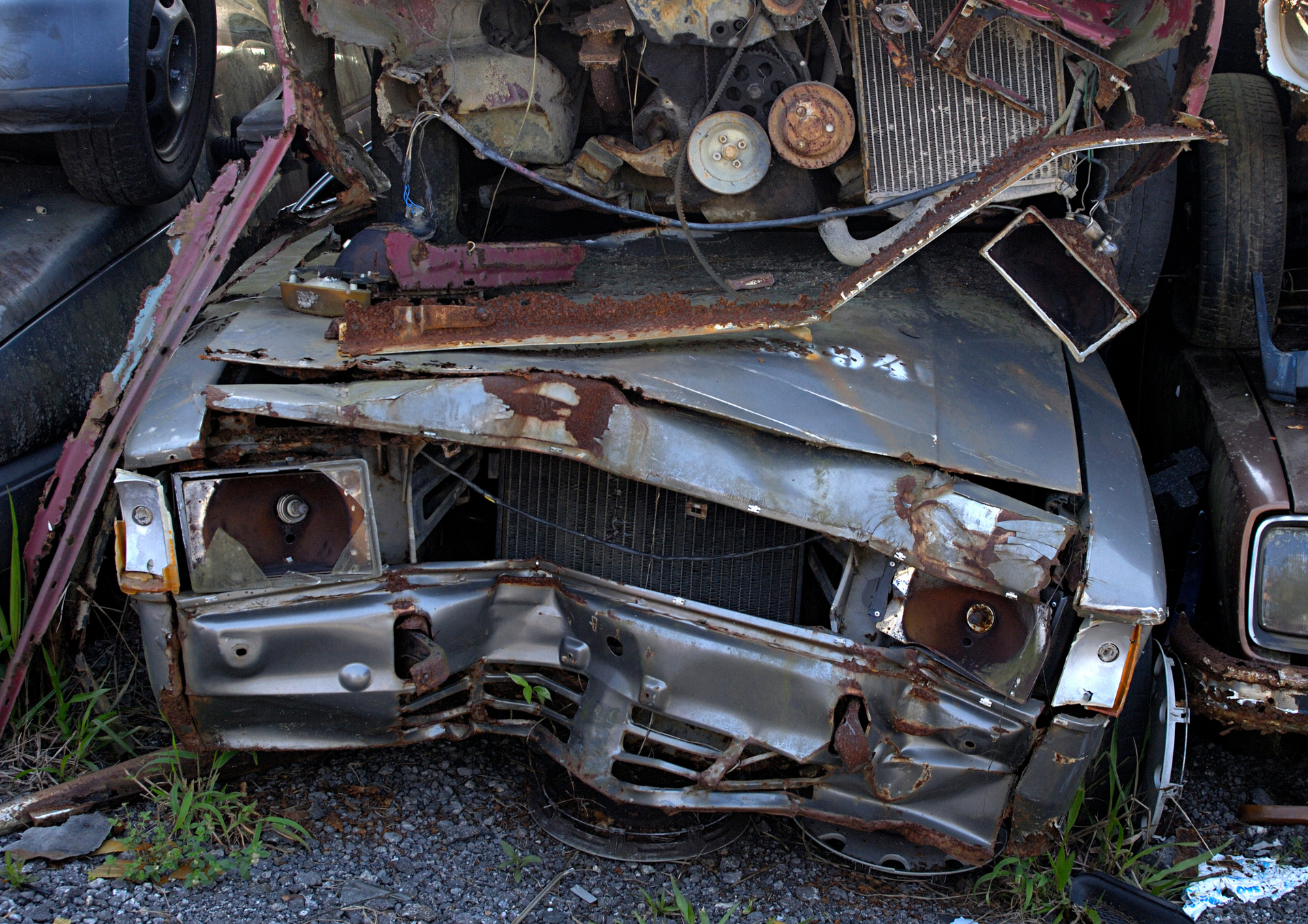
- Bodywork condition: Extensive corrosion, accident damage and missing panels can change the vehicle's overall material content.
- Age and specification: Different generations of vehicles may contain different materials, electrical systems and components.
- Current material demand: Changes in metal markets can affect the amount processors are prepared to pay for recoverable resources.
- Collection requirements: Difficult access, specialist loading needs and transport distances can influence the final arrangement.
For example, a small hatchback with extensive corrosion will generally contain less metal than a large commercial van. However, a heavier vehicle may also require more complicated loading or transportation, particularly if it cannot roll or steer normally.
The condition of the vehicle should always be described accurately. Missing components or serious damage may affect the assessment, and clear information helps avoid misunderstandings before collection.
Owners should also distinguish between a vehicle's previous resale value and its worth for material recovery. A car that was once expensive to purchase may no longer command a high amount when its primary value comes from recyclable materials. Understanding this distinction can help establish realistic expectations and make different quotations easier to compare.
How Location, Collection and Vehicle Condition Affect Offers
Location can have a practical influence on vehicle disposal. A car parked on a clear driveway may be easier to collect than one positioned in a narrow street, underground parking area or restricted commercial yard.
Manchester contains a mixture of residential neighbourhoods, industrial estates, busy roads and commercial premises. Collection requirements can therefore vary considerably depending on where a vehicle is located.
Motorists comparing scrap car prices near me should consider the complete collection arrangement rather than concentrating exclusively on the amount initially quoted. Understanding whether transport is included, whether additional equipment may be necessary and whether access restrictions could affect removal helps provide a clearer picture.
A vehicle that starts, rolls and steers normally is generally easier to move than one with severe mechanical or structural problems. However, vehicles do not always need to be operational to be collected.
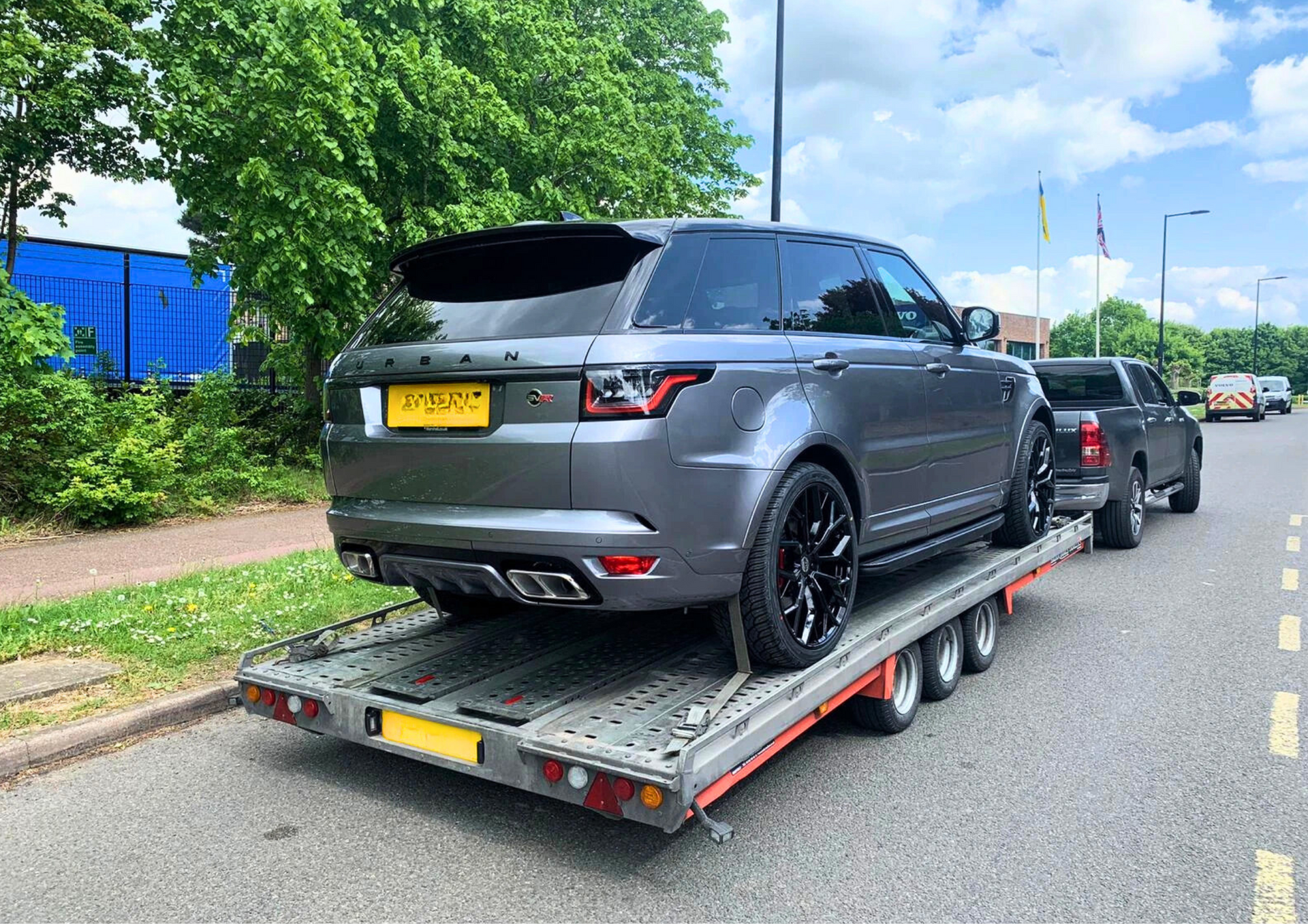
A non-running car may require suitable loading equipment, while a vehicle with seized wheels or damaged suspension can involve additional preparation. Larger vans and other commercial vehicles may present further considerations because of their dimensions and weight.
Accurate communication is particularly useful when dealing with the following circumstances:
Vehicles with mechanical failure
Engine problems, gearbox faults, electrical failures and cooling system damage may make continued operation impractical. Explaining the nature of the fault helps the collection provider understand whether the vehicle can be moved normally.
Vehicles with accident damage
Severe body damage, broken suspension components or distorted wheels may affect loading. Owners should describe the damage and mention any parts that have become detached or unstable.
Vehicles that have been standing unused
Long periods of inactivity can lead to flat tyres, discharged batteries, seized brakes and general deterioration. These problems may not be immediately obvious until collection is attempted.
Commercial vehicles and vans
Work vehicles can contain equipment, shelving, racking or additional fittings. Owners should explain what remains installed and whether the vehicle has been emptied before collection.
Restricted parking locations
Shared driveways, narrow access roads, locked compounds and crowded parking areas may require advance planning. Where possible, suitable access should be arranged before the collection vehicle arrives.
Incomplete vehicles
Cars missing major components may be assessed differently from complete vehicles. Providing this information early allows the quotation to reflect the actual condition.
Owners should also consider the distance between the collection location and the relevant processing facility. Transport costs can vary according to the journey, vehicle type and equipment required.
A clear quotation should help the owner understand what is being offered and whether any conditions apply. This is particularly important when a vehicle cannot be moved without assistance.
Ultimately, a convenient and well-organised collection can be just as important as the valuation itself, especially when the vehicle occupies a driveway, business yard or valuable parking space.
The Role of Metal Markets and Recoverable Components
Vehicle valuations can change over time because the market for recyclable materials is not static. Steel, aluminium, copper and other metals are bought and sold within wider industrial supply chains, where demand and processing conditions can fluctuate.
This means that an offer available at one point may not necessarily remain unchanged indefinitely. Changes in demand, transport expenses and processing costs can all influence the amount offered for an unwanted vehicle.
Owners looking for the best scrap car prices should therefore focus on obtaining a clear and current assessment based on their particular vehicle rather than assuming that a previously advertised amount will apply in every situation. Several materials contribute to the potential value of an end-of-life vehicle.
Steel and ferrous metals
Steel is commonly used throughout vehicle structures, including body panels, chassis components and other supporting parts. Because it represents a substantial proportion of many vehicles, its recovery is important to the recycling process.
Aluminium
Aluminium may be found in engines, wheels, body components and various mechanical assemblies. Its quantity varies between vehicles, particularly where manufacturers have used lightweight materials to improve efficiency.
Copper
Copper is widely used in electrical wiring, motors and other systems. Modern vehicles can contain extensive electrical networks, although the quantity and accessibility of recoverable copper differ between models.
Batteries and electrical components
Vehicle batteries require appropriate handling during processing. Different battery technologies involve different recovery requirements, and the presence of electrical components does not automatically mean they will increase the amount offered.
Catalytic converters
Where fitted, catalytic converters may contain recoverable precious metals. Their contribution to a valuation depends on the converter type, condition, completeness and prevailing market circumstances.
Reusable mechanical components
Some components may have potential for further use, depending on their condition and suitability. However, not every processing facility purchases vehicles on the basis of individual parts, and reusable components should not automatically be assumed to increase an offer.
A complete vehicle can contain several materials with different recovery routes. Processing facilities may separate these resources before they enter suitable recycling or reuse streams.
Nevertheless, the amount a vehicle owner receives does not simply equal the combined retail value of every potentially recoverable component. Collection, dismantling, depollution, sorting, transportation and further processing all involve work and expense.
These practical costs form part of the wider valuation process.
It is also important to recognise that changes in metal demand do not affect every vehicle equally. A small car, heavy van and larger commercial vehicle may respond differently to changes in material markets because their construction and material quantities vary.
Understanding the relationship between material recovery and processing costs helps explain why quotations can differ between providers and over time.
Practical Ways to Prepare Your Vehicle and Compare Quotations
Preparing an unwanted vehicle properly can make the valuation and collection process more straightforward. Owners do not generally need to carry out extensive repairs before disposal, but accurate information and sensible preparation are important.
When comparing scrap prices, motorists should consider whether each quotation is based on the same vehicle details and collection requirements. An offer made for a complete, accessible vehicle may not remain appropriate if important components are missing or the vehicle is difficult to load.
The following steps can help owners approach the process with greater confidence:
- Gather accurate vehicle details. Have the registration, make, model and approximate condition available before requesting a quotation.
- Describe major faults clearly. Mention engine failure, gearbox damage, accident damage, seized wheels or other issues that could affect collection.
- Explain any missing components. Be clear if the vehicle no longer has its battery, wheels, engine or other substantial parts.
- Confirm the collection location. Provide enough information to explain whether the vehicle is on a driveway, public road, commercial site or another location.
- Check what the quotation includes. Establish whether collection is included and whether any circumstances could change the amount offered.
- Remove personal belongings. Check storage compartments, the boot, under the seats and other areas before handing over the vehicle.
- Retain important documents. Keep any paperwork needed for your own records and complete the appropriate ownership and disposal notifications.
- Use an appropriate authorised facility. Check that the vehicle is going through a suitable authorised treatment route and that the relevant documentation will be provided where required.
- Avoid unnecessary repairs. Spending money to restore a vehicle that will be dismantled may not improve the final amount sufficiently to justify the expense.
- Clarify payment arrangements. Confirm how payment will be made and ensure the arrangement complies with applicable UK requirements.
Preparation is especially useful for owners who have not used a vehicle for some time. A car left on a driveway may contain personal belongings or equipment that has been forgotten.
Commercial vehicle owners should pay particular attention to tools, business materials, removable fittings and any documents left inside. Checking the vehicle thoroughly before collection reduces the possibility of losing items that were not intended to be disposed of.
Another consideration is the condition of the vehicle's tyres and wheels. If they have deteriorated or become difficult to move, this should be mentioned before collection rather than discovered when the recovery vehicle arrives.
Owners should also be cautious about making decisions based solely on a headline amount. A slightly different quotation may involve different collection arrangements or conditions, so understanding the full offer is important.
For motorists in Manchester, local road layouts, parking restrictions and property access can influence how removal is planned. Providing clear information about these circumstances helps ensure the arrangements are suitable.
Understanding how unwanted vehicles are valued helps motorists approach disposal with more realistic expectations. Vehicle weight, material content, completeness, mechanical condition and collection requirements can all influence the amount offered.
Market demand also plays an important role in determining scrap car prices. Recoverable metals and suitable components may retain value after a vehicle has reached the end of its working life, but dismantling, transport and processing costs must also be considered.
For owners of cars, vans and larger commercial vehicles, accurate information is one of the most useful starting points. Describing the vehicle's condition honestly and clarifying the collection arrangements can help avoid unnecessary complications.
Whether the vehicle has suffered major mechanical failure, extensive corrosion or simply become uneconomical to maintain, an organised approach can make disposal easier.
By understanding the factors behind vehicle valuations, motorists in Manchester and elsewhere can compare offers more confidently and make decisions suited to their circumstances.
Scrap My Car Manchester provides a practical, locally focused approach to unwanted and end-of-life vehicle collection. We understand that vehicle valuations can depend on several factors, including condition, completeness, weight and collection requirements.
Our approach focuses on clear communication, straightforward arrangements and helping vehicle owners understand how scrap car prices are determined before collection. Whether a car has developed serious mechanical problems, a van is no longer economical to maintain or another vehicle has reached the end of its working life, we aim to make the process clear and manageable.
Local familiarity is particularly useful when arranging collections from Manchester's residential streets, driveways, commercial premises and industrial areas. By considering accessibility and vehicle condition in advance, we work towards practical arrangements that suit each situation.
We believe vehicle owners should have clear information about the collection process and the factors that may affect their quotation, allowing them to make informed decisions without unnecessary complications.
Check out our latest X update exploring
scrap car prices and the key factors affecting vehicle value!
You might also like