
How Scrap Vehicle Disposal Works From Collection to Recycling
When a vehicle reaches the end of its practical working life, understanding what happens next can make disposal easier to manage. Cars, vans, and commercial vehicles may become unsuitable for continued use because of mechanical failure, extensive corrosion, accident damage, high mileage, or long periods of inactivity.
For motorists in Manchester, knowing how a scrap vehicle moves from initial collection through to dismantling and recycling provides useful reassurance. The process involves several stages designed to recover useful materials, separate appropriate components, and ensure the vehicle is handled in an organised manner.
Vehicle disposal is therefore about considerably more than simply taking an unwanted car away. Preparation, transportation, dismantling, material separation, and recycling all form part of the wider process.
Understanding these stages can help drivers, van owners, commercial vehicle operators, and other motorists make informed decisions when a vehicle is no longer practical to keep.
Preparing an End-of-Life Vehicle for Collection
The first stage is recognising when continued ownership is no longer worthwhile. Some vehicles gradually become unreliable after years of use, while others may experience a major mechanical fault that makes further repairs difficult to justify.
Repeated engine problems, gearbox faults, extensive corrosion, suspension wear, electrical issues, and structural deterioration can all influence the decision. Owners may also have vehicles that have remained parked for months or years and would require substantial work before returning to regular use.
For motorists beginning to consider scrap my car, preparation can make the eventual collection much easier. Providing accurate details about the make, model, registration, general condition, and location helps establish what may be required when the vehicle is removed.
Before collection, owners should also consider several practical points:
- Remove belongings from the boot, glove compartment, door pockets, centre console, and underneath the seats.
- Check the vehicle for documents, keys, tools, personal equipment, or other items that need to be retained.
- Make sure the collection vehicle can reach the location safely.
- Explain beforehand if the wheels are damaged, seized, locked, or difficult to move.
- Provide clear information if the vehicle has major structural or accident damage.
- Move unnecessary obstacles from driveways and other access areas where possible.
- Check vans carefully for tools, equipment, stock, or materials stored within the load area.
- Have basic vehicle information available so the handover can proceed efficiently.
Vehicles do not necessarily need to start or drive before collection. However, their condition should be explained clearly so suitable arrangements can be considered.
This can be particularly important in Manchester, where vehicles may be located on narrow residential streets, shared driveways, busy roads, business premises, or restricted parking areas. Knowing about access difficulties in advance can help prevent unnecessary complications.
Good preparation creates a clearer starting point for the entire disposal process and helps ensure everyone understands the vehicle's condition before collection takes place.
Collection and Transportation to the Processing Facility
Once the necessary arrangements have been made, the next stage is physically removing the vehicle. The approach required depends largely on its condition, size, position, and accessibility.
A vehicle that rolls freely may be relatively straightforward to load. By comparison, a car with seized wheels, substantial accident damage, severe corrosion, or damaged suspension may require additional consideration. Vans and larger commercial vehicles can present further challenges because of their dimensions and weight.
The collection process therefore begins with understanding exactly what needs to be moved. Providing accurate information beforehand allows suitable planning and reduces the possibility of unexpected difficulties at the location.
Motorists searching for scrap my car near me may particularly value local collection when their vehicle cannot be driven independently. Instead of arranging separate transportation, an organised collection provides a more straightforward way to move an unwanted vehicle towards appropriate processing.
Access is especially important in urban locations. Parked cars, narrow roads, restricted entrances, low-clearance areas, and shared parking spaces can all influence how removal is organised.
Manchester has a wide variety of residential and commercial environments. A vehicle located on a spacious industrial site presents different requirements from one positioned on a tightly packed residential street. Local familiarity can therefore help when planning practical collection arrangements.
Communication is equally important. Owners should explain whether the vehicle rolls, whether the steering operates normally, and whether any damaged parts could affect loading. This information can help determine the most appropriate approach.
Dismantling and Separating Vehicle Materials
Once an unwanted vehicle reaches the appropriate processing stage, it is not simply treated as one large piece of waste. Modern vehicles contain numerous materials and components that require different handling methods.
Fluids, batteries, tyres, metals, wiring, glass, plastics, and potentially reusable components may all need to be separated. This helps recover useful resources and ensures different materials can enter suitable processing routes.
The exact procedure depends on the vehicle and facility, but the process generally involves several important steps:
- The vehicle is received and its overall condition can be assessed.
- Relevant fluids and substances are removed using appropriate procedures.
- Batteries are removed and directed towards suitable handling routes.
- Tyres can be separated for appropriate recovery or recycling.
- Components suitable for reuse may be identified where appropriate.
- Wiring and electrical materials can be separated for further processing.
- Recoverable metals are prepared for recycling.
- Glass and suitable plastics may enter their respective recovery streams.
- Remaining structural materials can move towards further processing.
- Recovered resources may eventually return to manufacturing supply chains.
For drivers considering scrap cars for cash, understanding what happens after collection provides useful context. Much of an end-of-life vehicle consists of materials that can potentially have another purpose even when the complete vehicle is no longer practical to use.
Steel is particularly important because it forms a significant part of many vehicle structures. Aluminium is also commonly found in engines, body components, wheels, and other areas. Copper appears extensively in wiring and electrical systems, while modern cars can contain considerable quantities of different plastics.
Recovering these resources helps reduce unnecessary waste and keeps useful materials in circulation. Some components may also have further practical use before recycling becomes necessary, depending on their condition and suitability.
This stage demonstrates why organised disposal matters. Leaving an unwanted vehicle unused for an extended period does not recover any of these materials. Instead, the vehicle can continue deteriorating while occupying valuable space.
Recycling and Giving Materials Another Purpose
After suitable components and materials have been separated, recycling becomes the next major stage. The objective is to recover as much useful material as reasonably possible and direct it towards appropriate future applications.
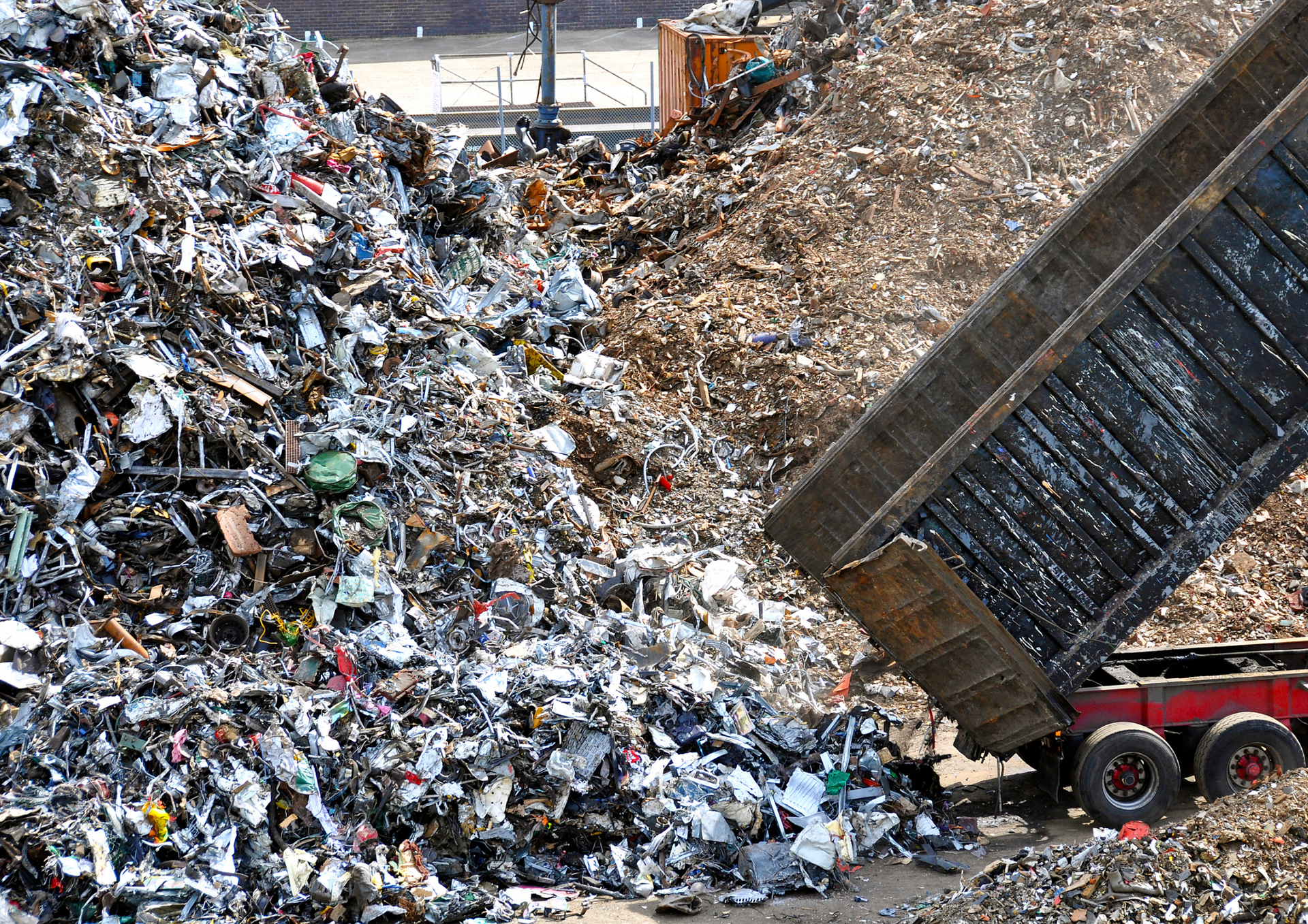
Steel recovered from end-of-life vehicles can be processed and returned to manufacturing. Aluminium can also be recycled for future use, while copper from wiring and electrical components can enter dedicated metal recovery streams.
Other materials may follow different routes depending on their type and condition. Certain plastics can be processed where suitable recycling options exist, while glass and tyres may also have potential recovery applications.
This process is significant because a scrap vehicle that is no longer useful as transport can still contain considerable material value. Mechanical failure does not necessarily make the steel unusable, just as a damaged gearbox does not automatically remove the recycling potential of aluminium or other metals elsewhere in the vehicle.
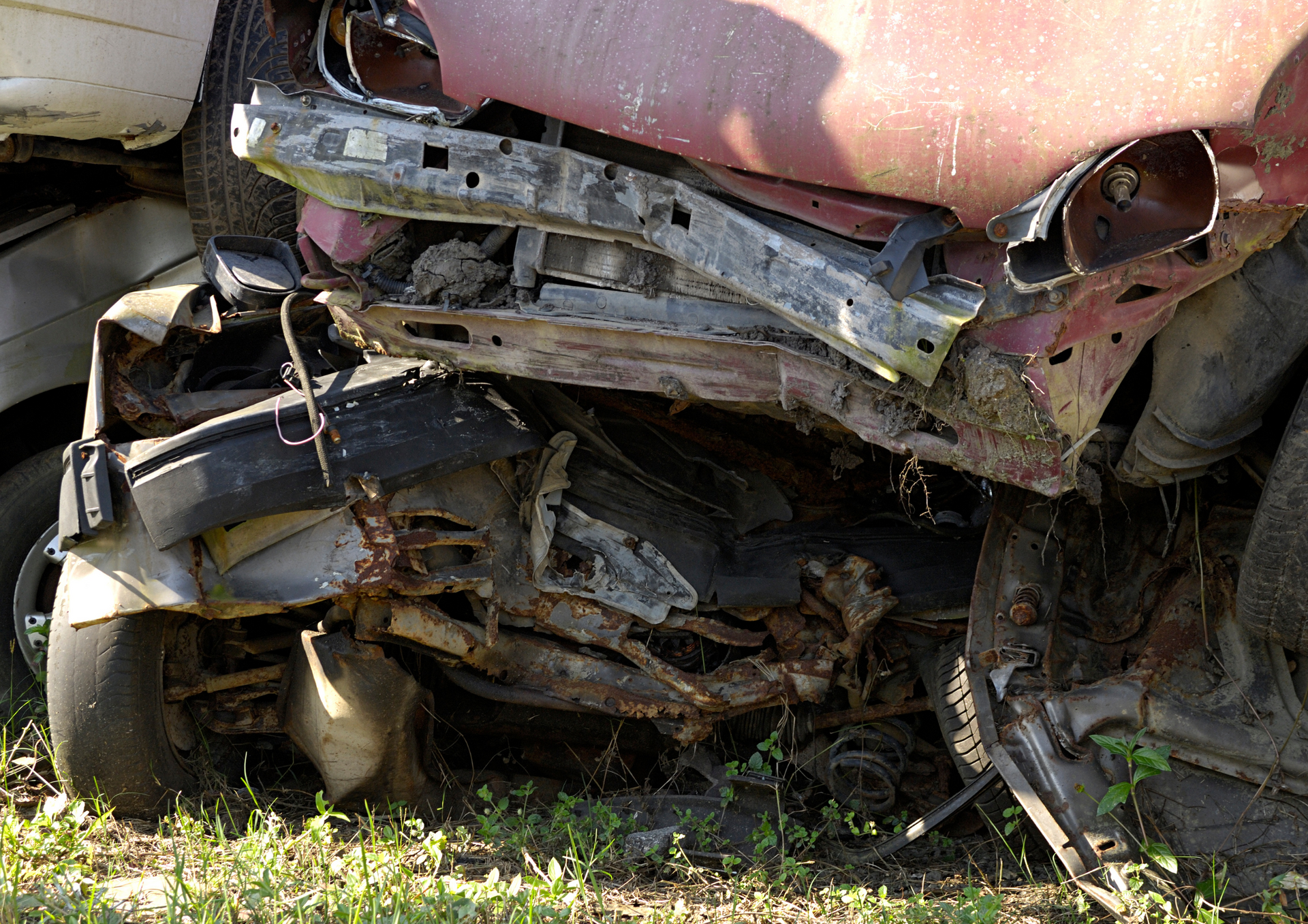
The same principle applies to vehicles with severe body damage or corrosion. Although their road-going life may have ended, suitable materials can continue into new applications.
Recycling also reduces the amount of useful material that needs to be discarded. By recovering existing resources, manufacturing can make greater use of materials already in circulation rather than relying entirely on newly extracted raw materials.
For motorists, this gives end-of-life vehicle disposal a wider purpose. Removing an unwanted car clears valuable space, but the process also enables suitable resources within that vehicle to continue being used.
This can be particularly relevant for businesses operating vans or other commercial vehicles. An unusable vehicle occupying a yard, workshop, or parking area can take up space that could otherwise support daily operations. Organised removal resolves the practical problem while allowing recoverable materials to move onwards.
Private owners experience similar benefits. A vehicle left on a driveway for an extended period may gradually deteriorate, lose tyre pressure, develop additional corrosion, and become increasingly difficult to move.
Arranging responsible disposal prevents the vehicle from remaining indefinitely while giving its recoverable materials an opportunity to enter appropriate recycling streams.
End-of-life vehicle disposal is a structured process involving far more than collection alone. Preparation begins with providing accurate information and ensuring suitable access before the vehicle is transported for further processing.
Once received, different components and materials can be separated according to their condition and potential future use. Metals, batteries, tyres, wiring, plastics, glass, and other resources may all require different handling methods.
Recycling then gives suitable materials the opportunity to return to productive use rather than remaining locked within an unwanted vehicle. This makes responsible disposal valuable both from a practical perspective and as part of wider resource recovery.
For motorists and commercial vehicle owners in Manchester, understanding the complete journey can make the decision to dispose of an ageing, damaged, or non-running vehicle considerably clearer.
Scrap My Car Manchester provides a practical, locally focused approach to removing unwanted and end-of-life vehicles. We understand that every collection can involve different circumstances, from non-running cars on residential driveways to vans and commercial vehicles located at business premises.
Our approach centres on clear communication, organised collection arrangements, and helping vehicle owners understand what to expect before removal. Local familiarity is particularly useful when dealing with Manchester's varied streets, parking arrangements, residential areas, and commercial locations.
Whether a scrap vehicle has suffered mechanical failure, accumulated significant mileage, remained unused for an extended period, or simply reached the end of its practical working life, we aim to make the collection process clear and manageable from the outset.
Check out our latest X update explaining how
scrap vehicle disposal works, from collection through to responsible recycling!
You might also like